Pharm'Up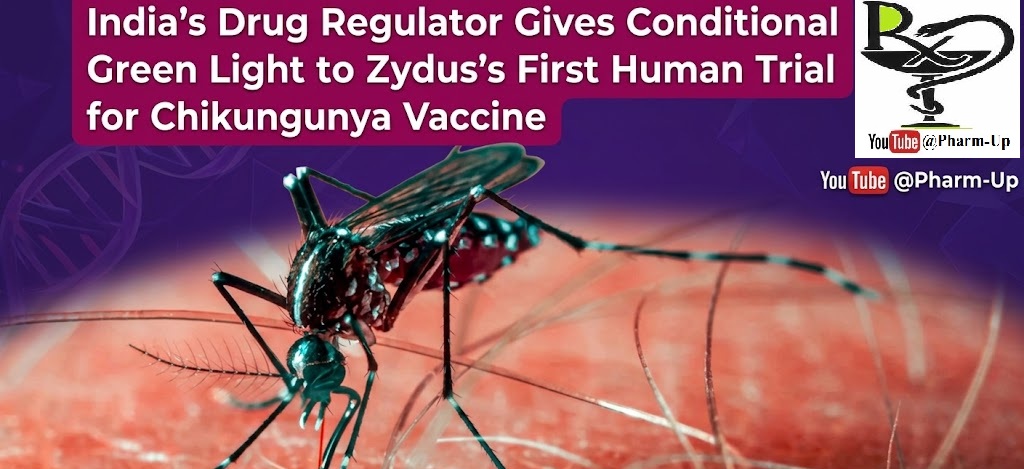
A major milestone for Indian biotechnology was reached on March 24, 2026, as Ahmedabad-based Zydus Lifesciences received conditional approval to begin Phase I human clinical trials for its Chikungunya vaccine candidate. This marks the first time an indigenous vaccine for this debilitating mosquito-borne virus has entered the clinical testing phase in India.
The vaccine, an inactivated, Vero cell-based formulation, is designed to prime the immune system against the Chikungunya virus without using a live pathogen.
The Phase I Roadmap
The trial (BIO/CT/25/000115) will focus on a small group of healthy volunteers aged 18 to 50. Researchers will use a “step-up” design, administering two doses across three separate cohorts to monitor how the body reacts to the vaccine.
Strict Regulatory “Safety Gates”
While the Subject Expert Committee (SEC) has given the green light for initial testing, they have set high bars before Zydus can proceed to larger Phase II trials. The company must complete:
- Lethal Challenge Studies: Testing the vaccine’s protective power in animal models against a fatal dose of the virus.
- DART Studies: Assessing potential risks to reproductive health and fetal development.
- Interim Data Review: Providing 84 days of safety data and 28 days of immune-response results to the DCGI.
A Public Health Priority
Chikungunya remains a persistent threat in India, often causing long-term, agonizing joint pain and fever. Currently, there is no licensed vaccine available in the country, leaving treatment limited to managing symptoms.
If successful, Zydus’s “whole-virus” approach could provide a safer, more accessible alternative to live-attenuated vaccines, offering a powerful new shield for millions of people in high-risk regions.
About the Author




 Pharm'Up