Pharm'Up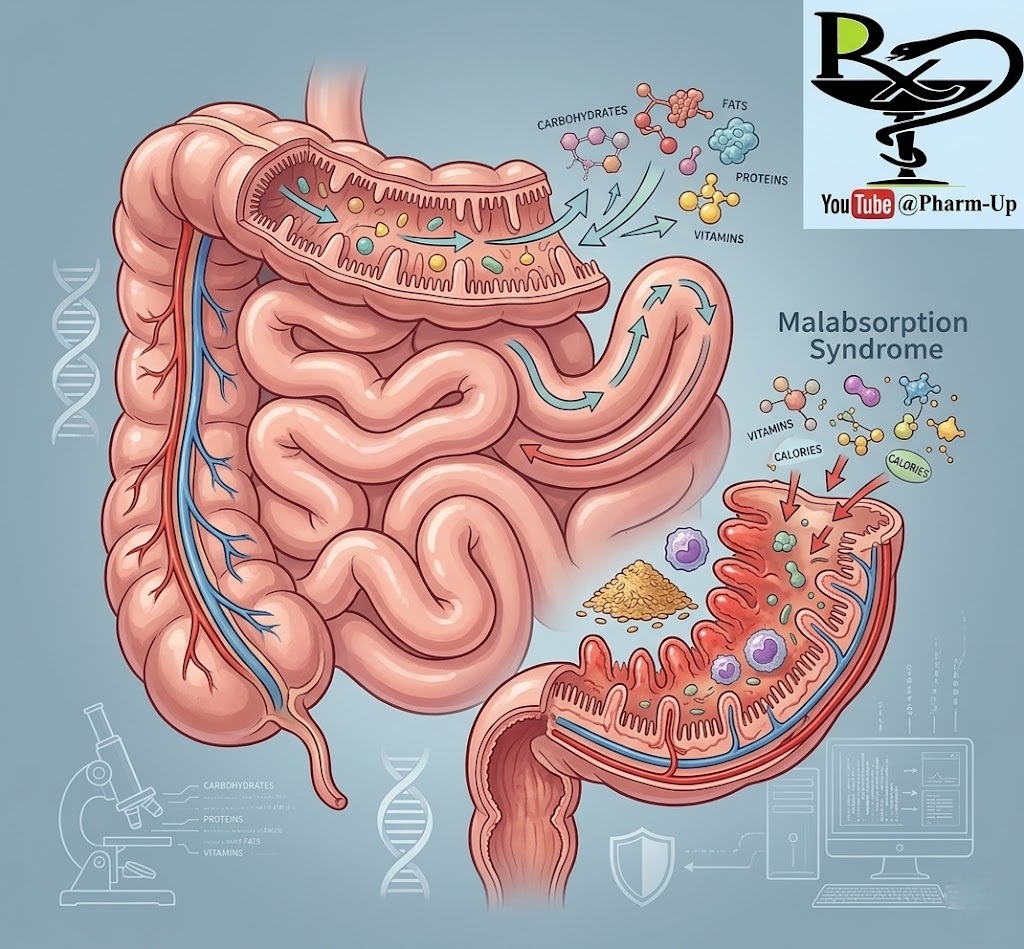
The small intestine is the engine room of your digestive system, responsible for absorbing nearly all the vitamins, minerals, and calories from the food you eat. Malabsorption syndrome occurs when this process fails, preventing your body from receiving the essential nutrients it needs to function.
Common Causes
Malabsorption is rarely a disease in itself; rather, it is a result of an underlying condition or physical change. Key causes include:
- Autoimmune & Digestive Disorders: Conditions like Celiac disease (reaction to gluten) and Lactose intolerance (inability to digest milk sugar).
- Short Bowel Syndrome: A condition occurring after significant surgical removal of the small intestine due to injury, birth defects, or disease.
- Infections & Genetics: Rare bacterial infections like Whipple disease, genetic disorders, or certain medications that interfere with the digestive lining.
Symptoms to Watch For
Because the body is missing out on vital fuel, symptoms often affect the entire system, though they primarily manifest in the gut:
- Chronic Diarrhea: Often the most common sign.
- Abnormal Stools: Stools may be bulky, unusually foul-smelling, or greasy (steatorrhea).
- Weight Loss: Unexplained weight loss despite eating normally.
- Bloating and Gas: Discomfort caused by undigested food fermenting in the digestive tract.
Diagnosis and Tailored Treatment
Diagnosing the specific type of malabsorption typically requires a combination of:
- Laboratory Tests: Stool samples and blood work to check for nutrient deficiencies or infections.
- Imaging & Procedures: X-rays or endoscopies to visualize the intestinal lining.
Treatment is strictly dependent on the root cause. This may involve strict dietary changes (like a gluten-free diet), enzyme replacements, nutritional supplements, or antibiotics for infections.
About the Author




 Pharm'Up