Pharm'Up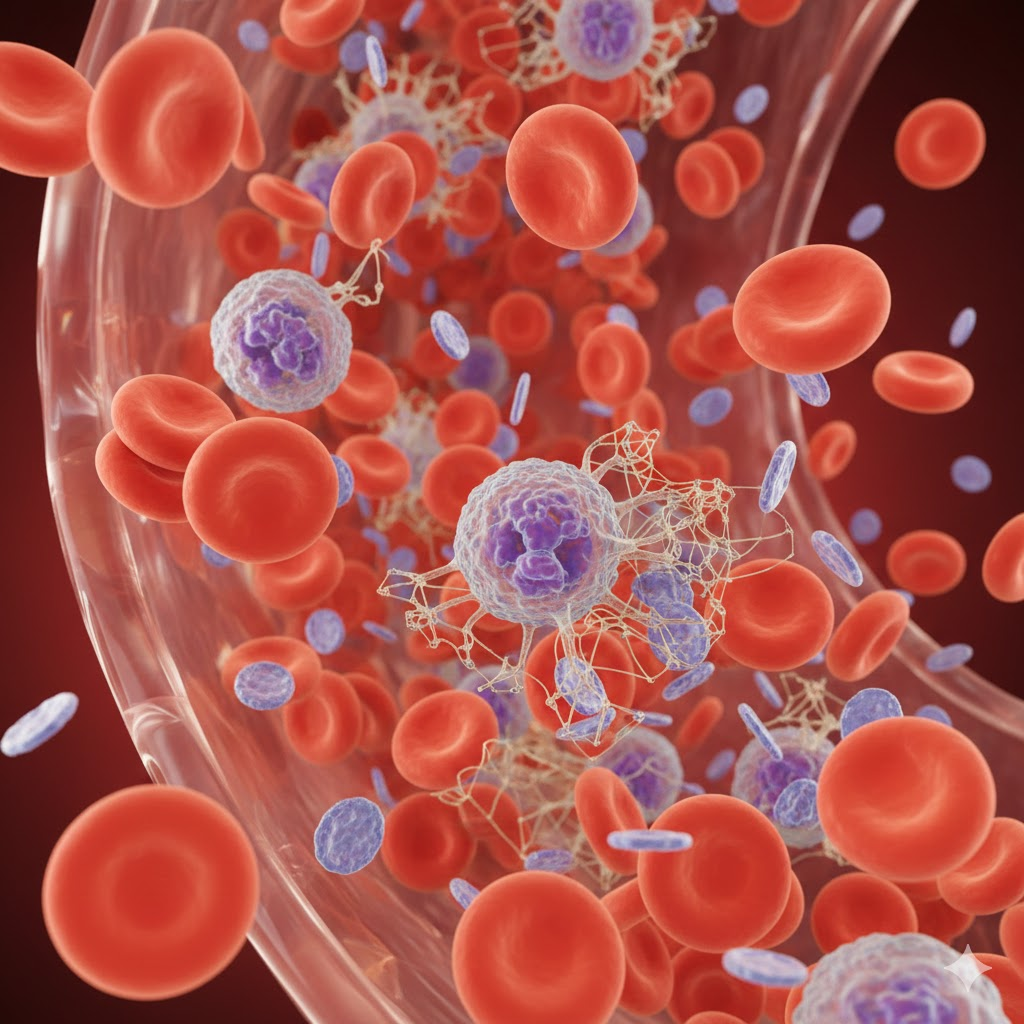
Your blood isn’t just a simple red fluid; it’s a complex, dynamic transportation system, tirelessly working to keep every part of you functioning. This incredible “river of life” is a marvel of biological engineering, performing essential tasks from delivering oxygen to fighting off invaders.
At its core, blood is a two-part system: a liquid matrix and a collection of specialized solids.
1. The Liquid Gold: Plasma Imagine a bustling highway, and plasma is the road itself. Making up over half of your blood’s volume, this yellowish liquid is primarily water, but it’s far from plain. It’s rich in salts, vital proteins, hormones, nutrients, and waste products, all hitching a ride to their destinations. Plasma ensures that everything your body needs reaches its target, and everything it doesn’t need is carried away for disposal.
2. The Cellular Commuters: Red, White, and Platelets These are the active players, each with a critical role:
- Red Blood Cells (RBCs): The Oxygen Express Shaped like tiny, flexible doughnuts, these cells are packed with hemoglobin, the protein that binds to oxygen. Born in your bone marrow, RBCs are the ultimate delivery service, picking up oxygen from your lungs and dropping it off to every tissue and organ in your body. They’re on a tight schedule, living for about 120 days before new ones take their place.
- White Blood Cells (WBCs): The Immune Defenders These are your body’s elite forces, constantly patrolling for threats. When invaders like bacteria, viruses, or fungi appear, WBCs spring into action, identifying and destroying them. They are a crucial part of your immune system, and their lifespans vary widely, from less than a day for some, to years for others, maintaining a vigilant watch.
- Platelets: The First Responders When you get a cut or wound, these tiny, irregularly shaped cells are the heroes that prevent excessive bleeding. They rush to the site of injury, clumping together to form a plug and initiating the complex process of blood clotting. With a short lifespan of about 6 days, they are constantly being replaced by the bone marrow, ensuring you’re always ready to heal.

The Blood Factory: Bone Marrow Deep within your bones lies the spongy bone marrow, the vital factory where all these blood cells are continuously produced. It’s a testament to the body’s incredible regenerative capacity, constantly replacing the millions of cells that die off daily.
Your Unique Signature: Blood Types Not all blood is the same! There are four primary blood types: A, B, AB, and O. Each of these is also classified by an Rh factor, making you either Rh-positive or Rh-negative (e.g., A positive or O negative). This specific signature is incredibly important for medical procedures like blood transfusions, where matching types are crucial to prevent dangerous reactions. For pregnant individuals, the Rh factor can also be critical for the health of the baby.
Monitoring Your Health: The Power of Blood Tests Blood is a window into your overall health. Simple blood count tests can reveal a wealth of information, helping doctors:
- Diagnose diseases and conditions.
- Check the function of your organs.
- Monitor the effectiveness of treatments.
Problems with your blood can range from bleeding disorders and excessive clotting to platelet abnormalities. When significant blood loss occurs, a transfusion can be a life-saving procedure, thanks to the careful science of blood typing and donation.
About the Author