Pharm'Up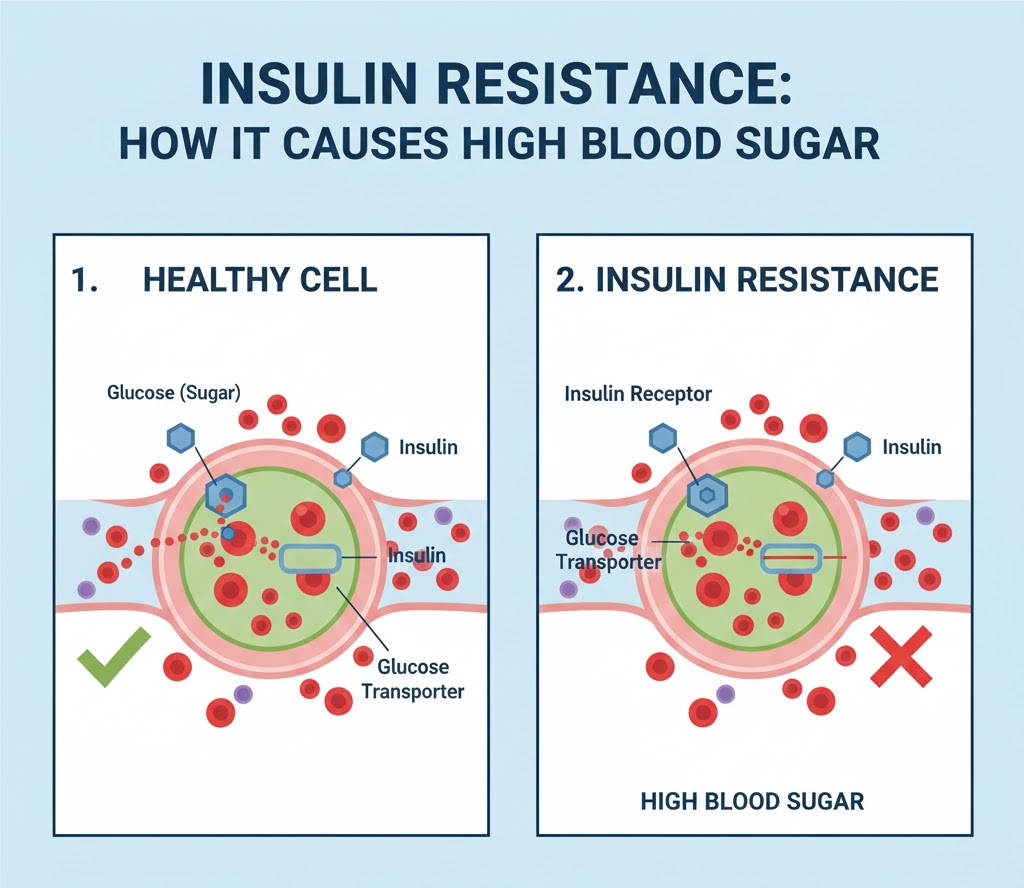
Metabolic syndrome is a cluster of conditions that occur together, significantly increasing your risk of heart disease, stroke, and type 2 diabetes. While having one of these conditions—such as high blood pressure—is a risk factor on its own, having three or more is what defines the syndrome and multiplies your health risks.
The Five Risk Factors
A diagnosis of metabolic syndrome requires at least three of the following:
- Abdominal Obesity (Large Waistline): A waist measurement of 35 inches+ for women or 40 inches+ for men.
- High Triglycerides: A level of 150 mg/dL or higher.
- Low HDL (“Good”) Cholesterol: Less than 40 mg/dL for men or 50 mg/dL for women.
- High Blood Pressure: A reading of 130/85 mmHg or higher.
- High Fasting Blood Sugar: 100 mg/dL or higher (an early sign of insulin resistance).
Causes and Demographics
Metabolic syndrome is primarily driven by overweight/obesity, a sedentary lifestyle, and insulin resistance (where the body’s cells don’t respond normally to insulin).
Who is most at risk?
- Ethnicity: In the U.S., Mexican Americans have the highest prevalence of metabolic syndrome. They are followed by Non-Hispanic Whites and Non-Hispanic Blacks.
- Age: The risk increases significantly as you get older.
- Existing Conditions: People with a family history of diabetes, women with Polycystic Ovary Syndrome (PCOS), and those with “apple-shaped” bodies.
- Medications: Certain drugs that cause weight gain or affect blood chemistry.
Prevention and Treatment
The good news is that metabolic syndrome is largely reversible through aggressive lifestyle changes.
The “Heart-Healthy” Strategy:
- Weight Loss: Reducing your body weight by even 5% to 10% can help restore your body’s ability to recognize insulin and lower blood pressure.
- Physical Activity: Regular exercise directly improves cholesterol and burns abdominal fat.
- Dietary Shifts: Focusing on the DASH or Mediterranean diets—limiting saturated fats, trans fats, and added sugars.
- Smoking Cessation: Smoking worsens the inflammation and blood clotting issues often associated with this syndrome.
- Medical Management: If lifestyle changes aren’t enough, your doctor may prescribe medications to specifically target blood pressure, cholesterol, or blood sugar.
About the Author




 Pharm'Up