Pharm'Up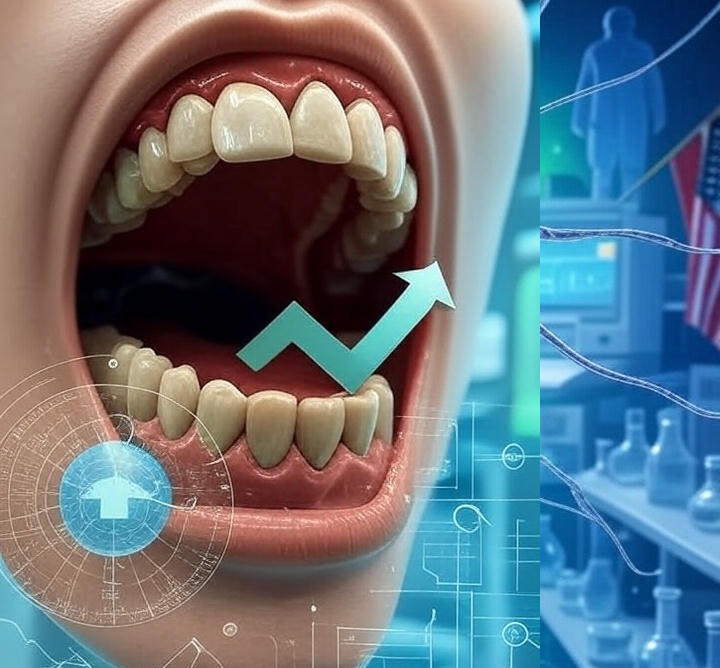
Ozempic (semaglutide), a widely used GLP-1 receptor agonist, is effective for treating type 2 diabetes and aiding weight loss. However, some users have reported dental issues, often referred to as “Ozempic teeth.” This informal term has raised concerns, though these problems are typically indirect outcomes of the drug’s gastrointestinal side effects rather than a direct result of the medication.
What Are “Ozempic Teeth” and Why It Matters
“Ozempic teeth” isn’t an official medical condition but describes a rise in dental complaints such as cavities, enamel erosion, gum disease, and tooth sensitivity among some GLP-1 users. The rapid increase in these reports has sparked worry, sometimes necessitating extensive dental treatment.
Debunking the Myth: No Direct Dental Damage
Ozempic doesn’t contain components that directly harm teeth or gums, unlike corrosive agents. The link to dental issues is indirect, tied to how the drug affects the body and oral environment.
The Link: How Side Effects Affect Oral Health
The primary culprits are Ozempic’s common side effects: nausea, vomiting, acid reflux (GERD), and dry mouth (xerostomia). These create conditions in the mouth that promote dental decay and disease.
How Side Effects Lead to Dental Issues
- Dry Mouth (Xerostomia): A frequent side effect, dry mouth reduces saliva, which normally:
- Clears food particles and bacteria.
- Neutralizes acids to protect enamel.
- Supplies minerals to repair enamel.
- Fights bacterial growth.
Reduced saliva increases risks of cavities, gum inflammation (gingivitis), and periodontal disease, while also causing bad breath and discomfort.
- Acid Reflux and Vomiting: Slowed gastric emptying can worsen GERD or induce nausea and vomiting, especially when starting or adjusting the dose. Stomach acid exposure erodes enamel, making teeth brittle and sensitive to hot, cold, or sweet stimuli.
- Dietary Shifts: Appetite changes may lead some to favor soft, sugary, or processed foods, feeding cavity-causing bacteria. Though rare, nutrient imbalances could affect oral health, though dry mouth and acid exposure are more significant factors.
Spotting Dental Warning Signs
Stay alert for:
- Tooth Sensitivity: Sharp pain from hot, cold, or sweet items, signaling enamel loss.
- Erosion or Discoloration: Dull, chalky, or yellowish teeth due to thinning enamel.
- Bad Breath and Dryness: Persistent issues despite hygiene, indicating low saliva.
- Bleeding Gums: Red, swollen, or easily bleeding gums suggest gingivitis.
Preventing “Ozempic Teeth”
- Oral Hygiene Basics:
- Brush twice daily with a soft-bristled, fluoride toothpaste for two minutes.
- Floss daily to remove plaque.
- Use a non-alcoholic fluoride mouthwash.
- Clean your tongue to reduce bacteria.
- Combating Dry Mouth:
- Drink water regularly.
- Chew sugar-free gum or use Xylitol candies.
- Try saliva substitutes (sprays, gels, lozenges).
- Use a humidifier at night.
- Managing Acid Reflux:
- Consult your doctor for dosage adjustments or antacids.
- Avoid triggers like spicy or fatty foods.
- Rinse with water (or baking soda solution) after vomiting/reflux; delay brushing for 30–60 minutes.
- Elevate your bedhead if reflux worsens at night.
- Diet Tips:
- Limit sugary/acidic drinks (sodas, juices).
- Choose water as your main beverage.
- Maintain a balanced diet with proteins, grains, fruits, and veggies.
- Dental Visits:
- Inform your dentist about Ozempic use.
- Schedule check-ups every six months (or as advised).
- Seek early intervention, even without pain.
Dental Treatments if Needed
- Fluoride varnishes or prescription toothpaste for enamel strength.
- Dental sealants for decay prevention.
- Custom fluoride trays for high-risk cases.
- Fillings, crowns, or gum treatments for existing damage.
Holistic Health on GLP-1s
Ozempic offers significant benefits for diabetes and weight management. The goal is to address side effects proactively, ensuring oral health supports overall well-being through collaboration with your doctor and dentist.
Conclusion
“Ozempic teeth” reflects a manageable concern tied to GLP-1 side effects like dry mouth and acid reflux. With diligent oral care, side effect management, and regular dental check-ups, you can confidently use Ozempic while preserving your oral health.
About the Author

 Pharm'Up