Pharm'Up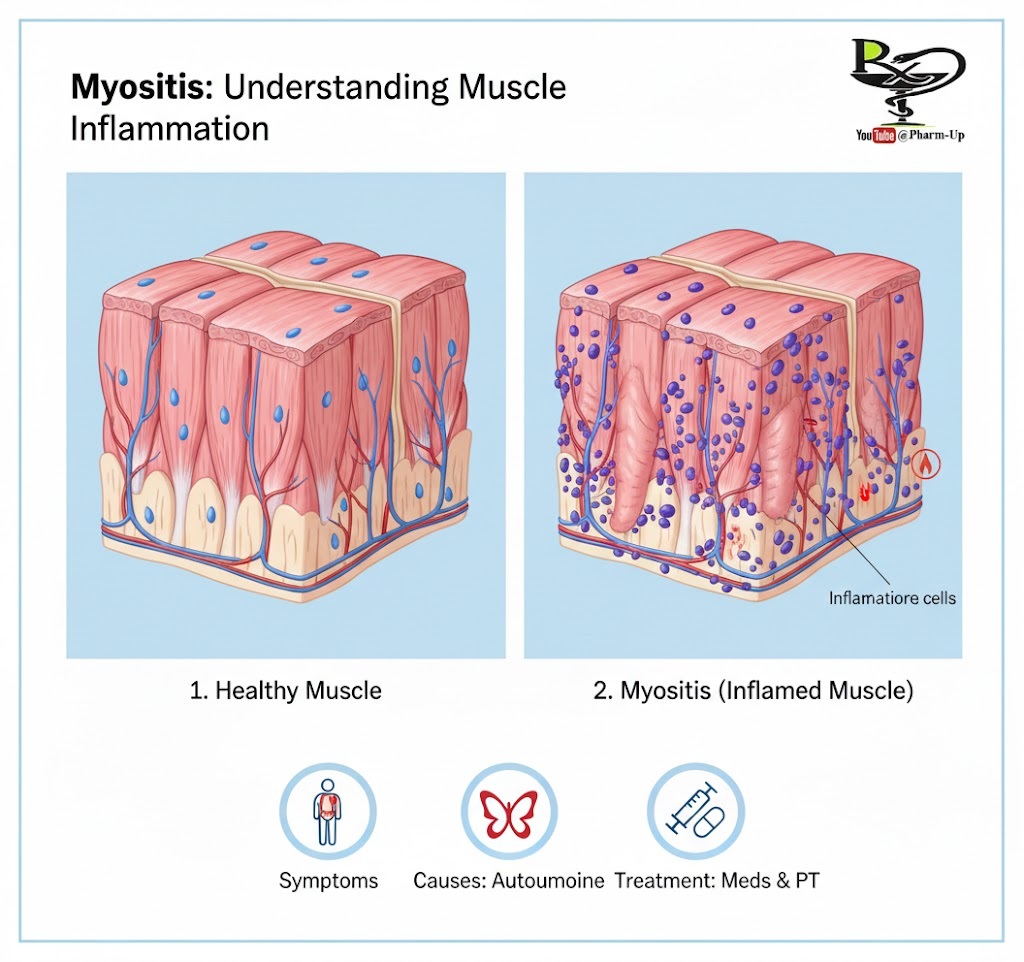
Myositis is a general term meaning inflammation of the skeletal muscles—those used to move the body. This inflammation can lead to significant muscle weakness and fatigue. It is typically caused by an injury, an infection, or an autoimmune disease, where the body’s immune system mistakenly attacks healthy muscle tissue.
1. Key Types of Myositis
While there are several forms, two of the most common chronic types are:
- Polymyositis: This condition causes muscle weakness that typically affects both sides of the body. It most commonly impacts the muscles closest to the trunk, such as the hips, thighs, shoulders, and upper arms.
- Dermatomyositis: Similar to polymyositis in terms of muscle weakness, but it is uniquely characterized by a distinctive skin rash (often purple or red) on the face, eyelids, knuckles, chest, or back.
2. Common Symptoms
Beyond general muscle weakness, individuals with myositis may experience:
- Physical Exhaustion: Feeling heavy or fatigued after simple tasks like walking or standing.
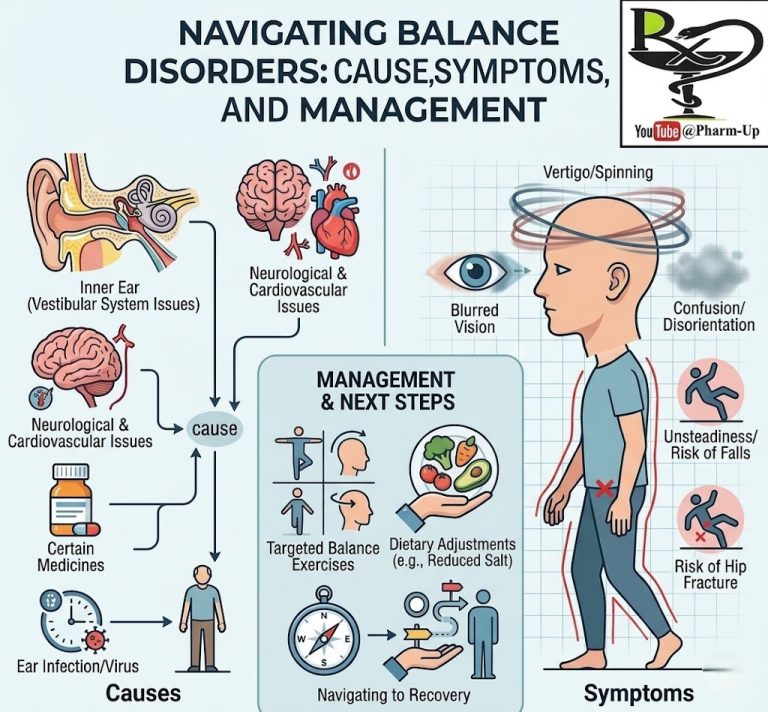
- Balance Issues: Frequent tripping or difficulty climbing stairs.
- Systemic Challenges: Severe cases can lead to trouble swallowing (dysphagia) or difficulty breathing if the respiratory muscles are affected.
3. Diagnosis and Treatment
Diagnosing myositis requires a comprehensive medical approach, including blood tests (to check for muscle enzymes), imaging (like MRI), and often a muscle biopsy to examine the tissue directly.
Managing the Symptoms
While there is currently no cure, several treatments can help manage inflammation and maintain mobility:
- Corticosteroids: Usually the first line of defense to quickly reduce inflammation.
- Immunosuppressants: Medications used to calm the overactive immune response.
- Physical Therapy & Exercise: Crucial for maintaining muscle strength and flexibility.
- Supportive Care: Using heat therapy for pain, getting adequate rest, and utilizing assistive devices if mobility is compromised.
About the Author