Skip to content
  • YouTube
  • Facebook
  • LinkedIn
Pharm'Up

Pharm'Up

An E-platform for Learners

https://www.youtube.com/watch?v=xuTKPPZrxy4
Primary Menu
  • Home
  • News
  • Industries
  • Disease
  • Drugs
  • Events
  • Jobs
  • Trainings
  • Conferences
  • Syllabus
  • Previous Papers
  • Notes
  • Colleges
Live
  • Home
  • 2026
  • January
  • 31
  • Tay-Sachs Disease: Understanding the Rare Genetic Disorder
  • Disease

Tay-Sachs Disease: Understanding the Rare Genetic Disorder

Pharm'Up 2 min read

Tay-Sachs disease is a devastating, inherited condition that affects the central nervous system. It belongs to a group of disorders called lysosomal storage diseases. In a healthy body, an enzyme called Hexosaminidase A (Hex-A) breaks down fatty substances (lipids). In Tay-Sachs, this enzyme is missing or deficient, leading to a toxic buildup of lipids called GM2 gangliosides in the brain’s nerve cells.


Disease Progression in Infants

While there are rare juvenile and adult-onset forms, the most common form begins in infancy.

  • Early Months (0-6 months): The infant usually appears healthy and meets initial milestones.
  • Onset of Decline: Between 3 to 6 months, development slows. Parents may notice a “startle response” to loud noises.
  • Neurological Loss: As the nerve cells are destroyed, the child loses motor skills (sitting, crawling, turning over).
  • Late Stages: Progressive blindness, deafness, seizures, and paralysis occur. Due to the severity of brain damage, children typically pass away by age 4 or 5.

The “Cherry-Red Spot”: A key diagnostic sign found during an eye exam is a characteristic “cherry-red spot” on the retina, which is a hallmark of the disease.


Genetics and Inheritance

Tay-Sachs is an autosomal recessive disorder caused by a mutation in the HEXA gene. This means a child only develops the disease if they inherit a mutated gene from both parents.

  • Carrier Status: If both parents are carriers, each pregnancy has a 25% chance of the child having Tay-Sachs and a 50% chance of the child being a carrier.
  • High-Risk Groups: The mutation is significantly more common in individuals of Eastern European (Ashkenazi) Jewish descent, as well as certain French-Canadian, Louisiana Cajun, and Old Order Amish communities.

Diagnosis and Management

Because there is currently no cure for Tay-Sachs, the focus is on prevention and supportive care.

  • Screening: Blood tests can identify carriers by measuring Hex-A levels. Prenatal testing (CVS or amniocentesis) can diagnose the condition in utero.
  • Symptom Management: Care focuses on keeping the child comfortable. This includes:
    • Feeding Tubes: To prevent aspiration and ensure nutrition when swallowing becomes difficult.
    • Medications: To control seizures and manage pain.
    • Physical Therapy: To keep joints flexible and manage muscle stiffness.

About the Author

Pharm'Up

Author

An E-platform for Pharma Learners

View All Posts

Post navigation

Previous: Traumatic Brain Injury (TBI): Understanding the Impact on the Brain
Next: Thoracic Outlet Syndrome (TOS): Understanding Nerve and Vascular Compression

Related Stories

Pharmup 21
2 min read
  • Disease

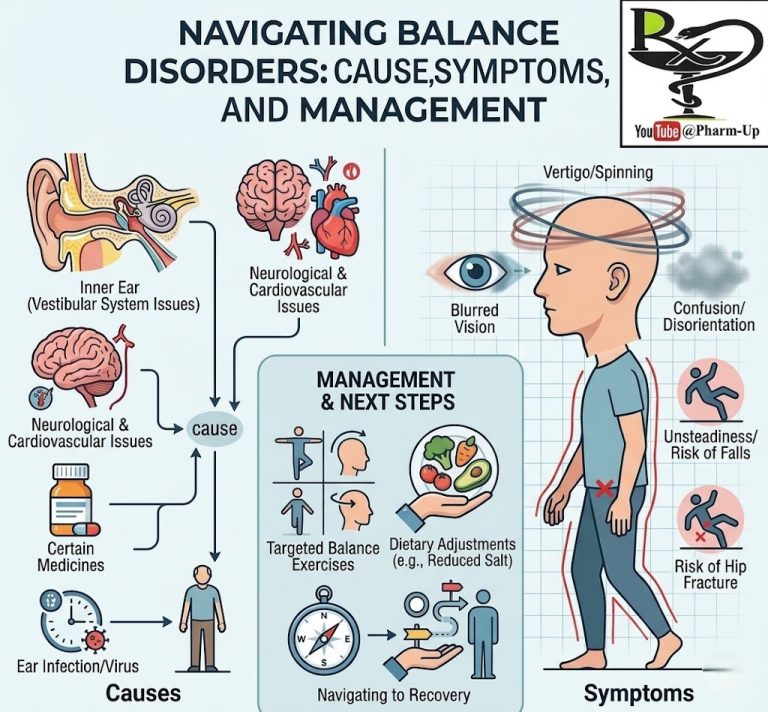
Navigating Balance Disorders: Causes, Symptoms, and Management

Pharm'Up
Pharmup 20
2 min read
  • Disease

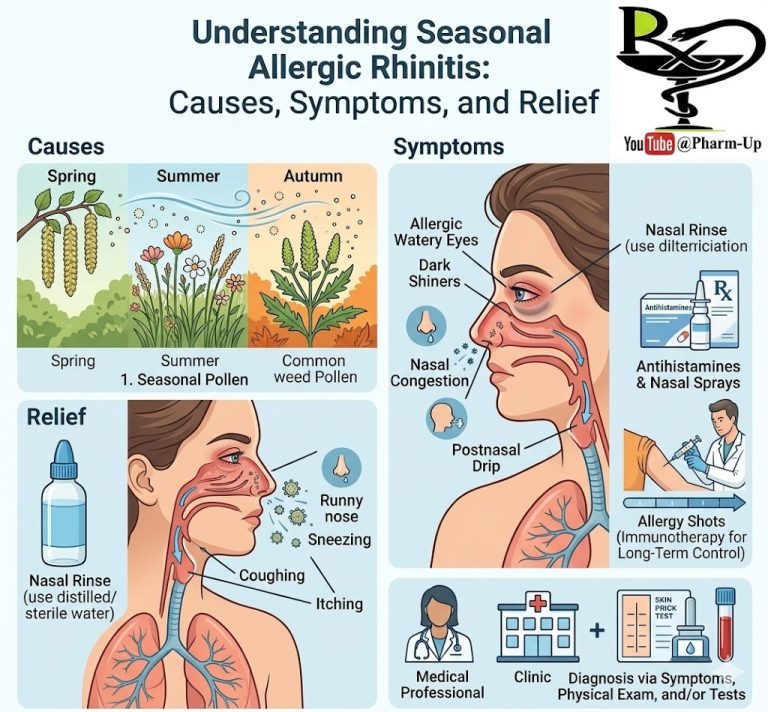
Understanding Seasonal Allergic Rhinitis: Causes, Symptoms, and Relief

Pharm'Up
Pharmup 30
1 min read
  • Disease

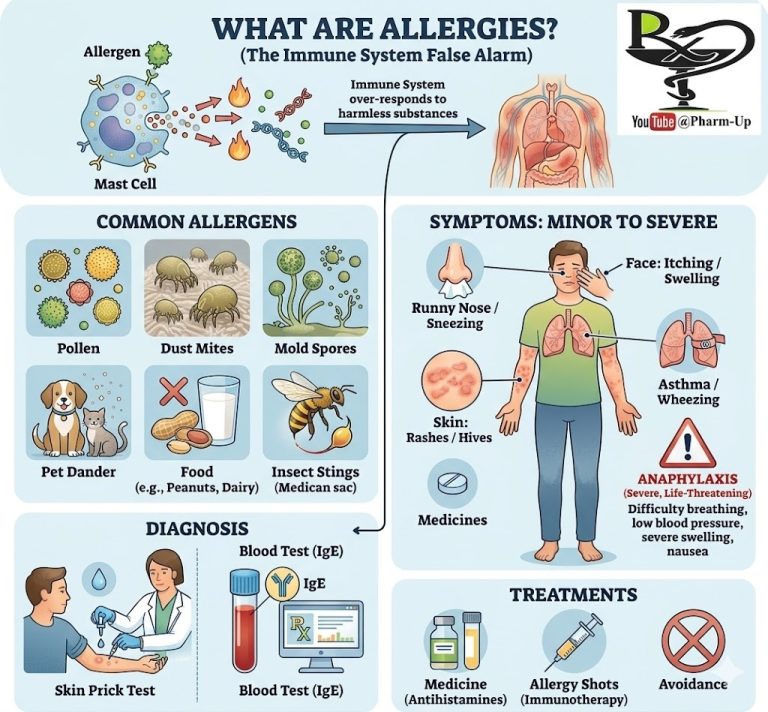
Understanding Allergies: Immune System Overreactions

Pharm'Up

Recent Posts

  • Navigating Balance Disorders: Causes, Symptoms, and Management
  • Understanding Seasonal Allergic Rhinitis: Causes, Symptoms, and Relief
  • Pharmacovigilance Specialist Opportunity at Bausch + Lomb
  • Career Opportunity: Formulation & Development (Injectable) at Derren Healthcare
  • Sun Pharma Recruitment: Manager – EU Compliance (Tandalja R&D)

Recent Comments

No comments to show.

Archives

  • April 2026
  • March 2026
  • February 2026
  • January 2026
  • December 2025
  • November 2025
  • October 2025
  • September 2025
  • August 2025
  • July 2025

Categories

  • Colleges
  • Conferences/ Workshops
  • Disease
  • Drugs
  • Events
  • Industries
  • Notes
  • Pharma Jobs
  • Pharma News
  • Previous Papers
  • Syllabus
  • Trainings/ Courses
  • Uncategorized

Read These Too

Pharmup 21
2 min read
  • Disease

Navigating Balance Disorders: Causes, Symptoms, and Management

Pharm'Up
Pharmup 20
1 min read
  • Disease

Understanding Seasonal Allergic Rhinitis: Causes, Symptoms, and Relief

Pharm'Up
Pharmup 19
1 min read
  • Pharma Jobs

Pharmacovigilance Specialist Opportunity at Bausch + Lomb

Pharm'Up
Pharmup 18
1 min read
  • Pharma Jobs

Career Opportunity: Formulation & Development (Injectable) at Derren Healthcare

Pharm'Up
  • YouTube
  • Facebook
  • LinkedIn
Copyright ©Pharm'UP All rights reserved by Eduversity India | MoreNews by AF themes.