Skip to content
  • YouTube
  • Facebook
  • LinkedIn
Pharm'Up

Pharm'Up

An E-platform for Learners

https://www.youtube.com/watch?v=xuTKPPZrxy4
Primary Menu
  • Home
  • News
  • Industries
  • Disease
  • Drugs
  • Events
  • Jobs
  • Trainings
  • Conferences
  • Syllabus
  • Previous Papers
  • Notes
  • Colleges
Live
  • Home
  • 2026
  • April
  • 9
  • Understanding Colonic Polyps
  • Disease

Understanding Colonic Polyps

Pharm'Up 2 min read

A colonic polyp is an abnormal growth of tissue on the inner lining of the large intestine (colon). While most polyps are benign (non-cancerous), certain types can develop into colorectal cancer over several years. Because it is difficult to determine which polyps might become dangerous just by looking at them, medical professionals typically remove them as a preventative measure.


Risk Factors: Who is Most Likely to Develop Polyps?

While anyone can develop polyps, the likelihood increases significantly based on certain factors:

  • Age: The risk rises as you get older, particularly for those over age 50.
  • Personal History: If you have had polyps in the past, you are more likely to develop new ones.
  • Genetics and Family History: Having a close family member with a history of polyps or colon cancer increases your predisposition.

Symptoms and Detection

The primary challenge with colon polyps is that most do not cause any symptoms. This makes regular screening essential for early detection and prevention. When symptoms do occur, they may include:

  • Rectal Bleeding: Noticing blood on your underwear or toilet paper.
  • Stool Changes: Blood in the stool (which may appear bright red or very dark/tarry).
  • Bowel Habit Changes: Persistent constipation or diarrhea lasting more than one week.

The Role of Colonoscopy

A colonoscopy is the most effective tool for both diagnosing and treating polyps. During this procedure, a doctor uses a flexible tube with a camera to examine the colon. If a polyp is found, it can be removed immediately—a process called a polypectomy—and then sent to a laboratory for testing to ensure no cancer is present.

About the Author

Pharm'Up

Author

An E-platform for Pharma Learners

View All Posts

Post navigation

Previous: The Human Colon: Functions and Common Disorders
Next: Navigating Colon Screenings: Colonoscopy vs. Sigmoidoscopy

Related Stories

Pharmup 21
2 min read
  • Disease

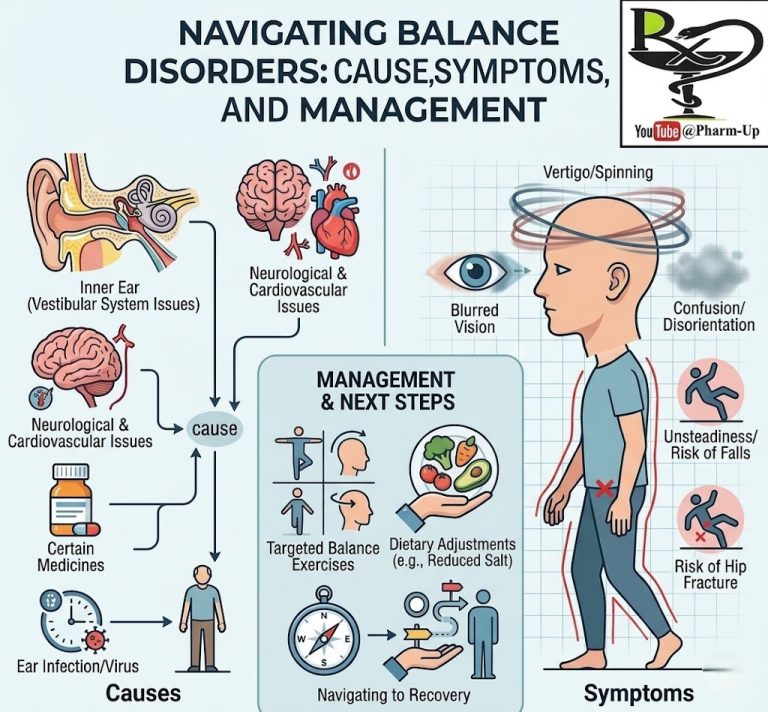
Navigating Balance Disorders: Causes, Symptoms, and Management

Pharm'Up
Pharmup 20
2 min read
  • Disease

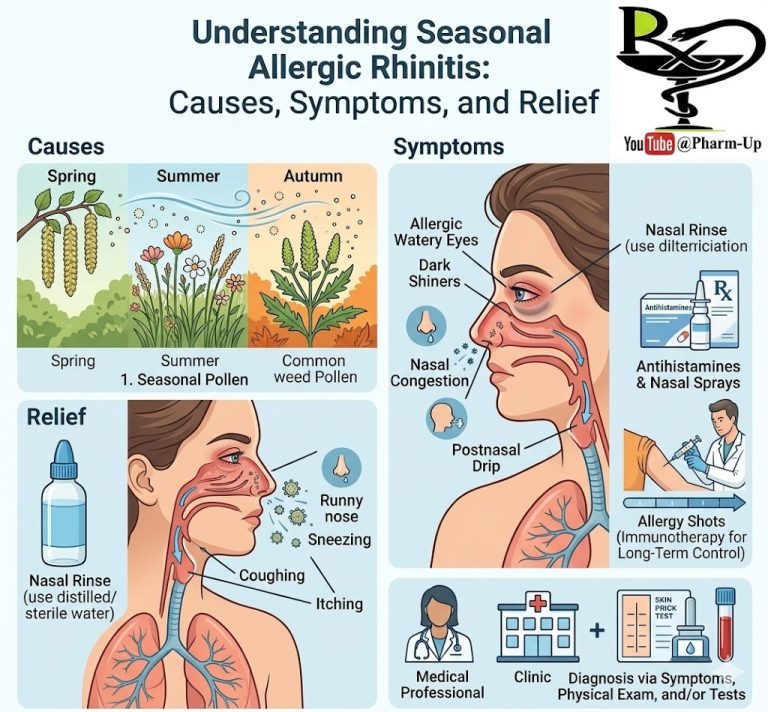
Understanding Seasonal Allergic Rhinitis: Causes, Symptoms, and Relief

Pharm'Up
Pharmup 30
1 min read
  • Disease

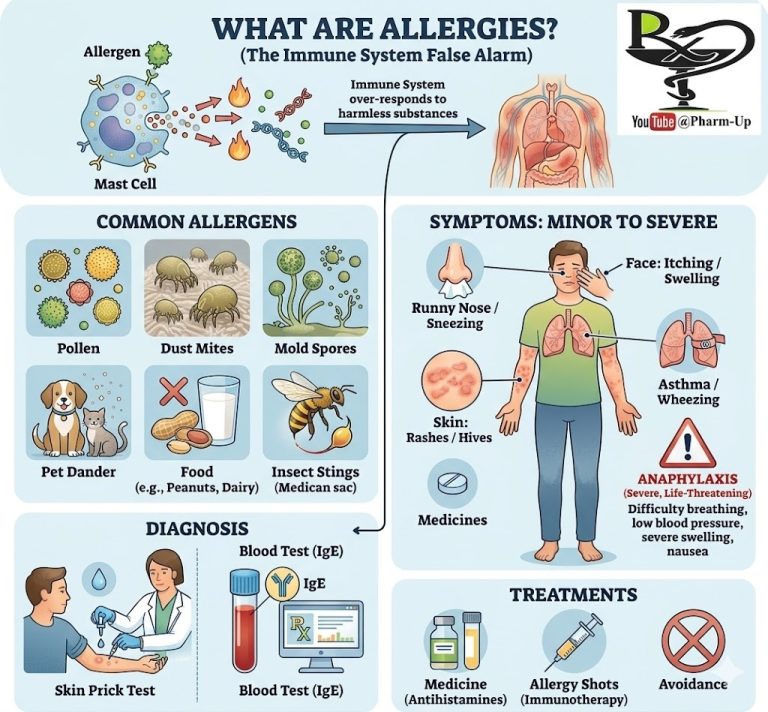
Understanding Allergies: Immune System Overreactions

Pharm'Up

Recent Posts

  • Navigating Balance Disorders: Causes, Symptoms, and Management
  • Understanding Seasonal Allergic Rhinitis: Causes, Symptoms, and Relief
  • Pharmacovigilance Specialist Opportunity at Bausch + Lomb
  • Career Opportunity: Formulation & Development (Injectable) at Derren Healthcare
  • Sun Pharma Recruitment: Manager – EU Compliance (Tandalja R&D)

Recent Comments

No comments to show.

Archives

  • April 2026
  • March 2026
  • February 2026
  • January 2026
  • December 2025
  • November 2025
  • October 2025
  • September 2025
  • August 2025
  • July 2025

Categories

  • Colleges
  • Conferences/ Workshops
  • Disease
  • Drugs
  • Events
  • Industries
  • Notes
  • Pharma Jobs
  • Pharma News
  • Previous Papers
  • Syllabus
  • Trainings/ Courses
  • Uncategorized

Read These Too

Pharmup 21
2 min read
  • Disease

Navigating Balance Disorders: Causes, Symptoms, and Management

Pharm'Up
Pharmup 20
1 min read
  • Disease

Understanding Seasonal Allergic Rhinitis: Causes, Symptoms, and Relief

Pharm'Up
Pharmup 19
1 min read
  • Pharma Jobs

Pharmacovigilance Specialist Opportunity at Bausch + Lomb

Pharm'Up
Pharmup 18
1 min read
  • Pharma Jobs

Career Opportunity: Formulation & Development (Injectable) at Derren Healthcare

Pharm'Up
  • YouTube
  • Facebook
  • LinkedIn
Copyright ©Pharm'UP All rights reserved by Eduversity India | MoreNews by AF themes.