Pharm'Up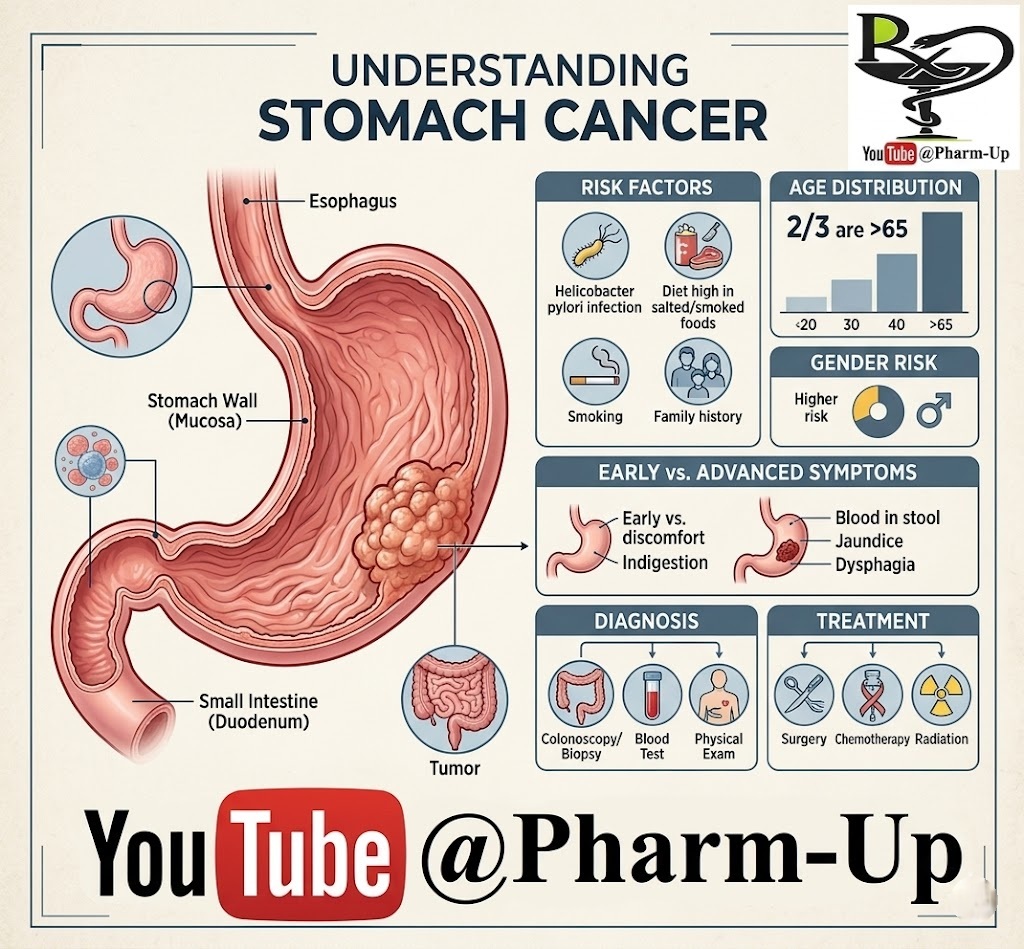
The stomach is a vital digestive organ located between the esophagus and the small intestine. Its primary function is to mix food with digestive acids to break down proteins. While stomach cancer is a serious condition, understanding its risk factors and early warning signs is essential for better health outcomes.
Who is at Risk?
Stomach cancer predominantly affects older adults, with approximately two-thirds of cases diagnosed in individuals over the age of 65. Key risk factors include:
- Infections & Inflammation: A history of Helicobacter pylori (H. pylori) infection or chronic stomach inflammation.
- Dietary Habits: High consumption of salted, smoked, or pickled foods.
- Lifestyle: Smoking cigarettes significantly increases risk.
- Gender & Genetics: Men are statistically at higher risk, as are individuals with a family history of stomach cancer.
Symptoms and Early Detection
One of the greatest challenges with stomach cancer is that early-stage symptoms often mimic common, less serious ailments like indigestion or general stomach discomfort.
Advanced symptoms may include:
- Blood in the stool or persistent vomiting.
- Unexplained weight loss.
- Jaundice (yellowing of the eyes and skin).
- Difficulty swallowing (Dysphagia).
Diagnosis and Treatment
Because symptoms are often vague early on, doctors use a combination of tools for an accurate diagnosis, including physical exams, blood tests, imaging, endoscopies, and biopsies.
Treatment strategies usually depend on how far the cancer has progressed and may involve:
- Surgery: To remove the tumor or part of the stomach.
- Chemotherapy: To target cancer cells throughout the body.
- Radiation: To destroy localized cancerous tissue.
About the Author