Pharm'Up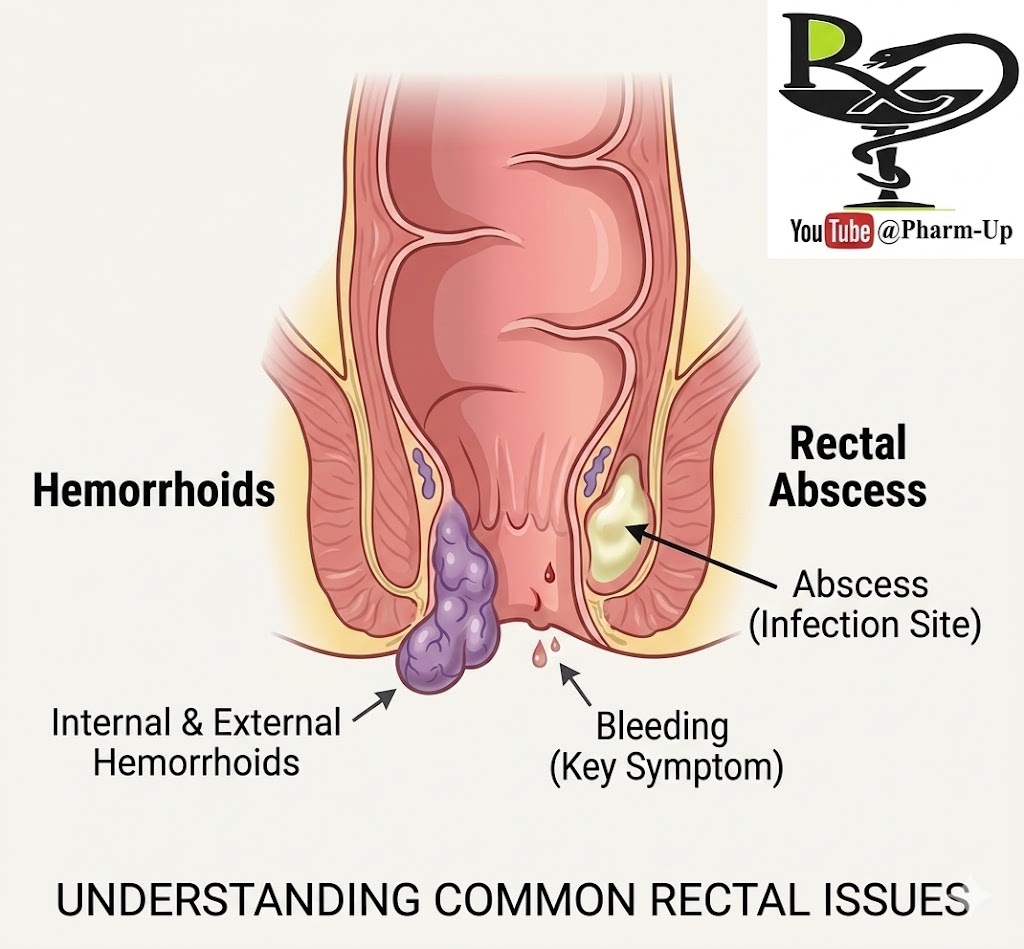
The rectum serves as the final chamber of the large intestine, acting as a temporary storage site for stool. While many people feel a sense of embarrassment when discussing this area of the body, rectal issues are incredibly common and health professionals deal with them daily. Recognizing the signs of trouble is the first step toward effective treatment.
Key Concerns and Conditions
Problems affecting the rectum can range from mild irritations to life-threatening illnesses. Common conditions include:
- Hemorrhoids: Swollen veins that can cause discomfort or bleeding.
- Abscesses: Painful infections that result in a buildup of pus.
- Incontinence: The loss of bowel control, often affecting quality of life.
- Rectal Cancer: A serious condition where early detection is critical for survival.
The Importance of Medical Advice
It is essential to overcome the “stigma” of discussing rectal health, especially if you notice pain or bleeding. Because different problems often share similar symptoms, a doctor’s evaluation is the only way to determine the correct course of action. Treatments are highly specific to the diagnosis, ranging from simple dietary changes to medical procedures.
About the Author


 Pharm'Up